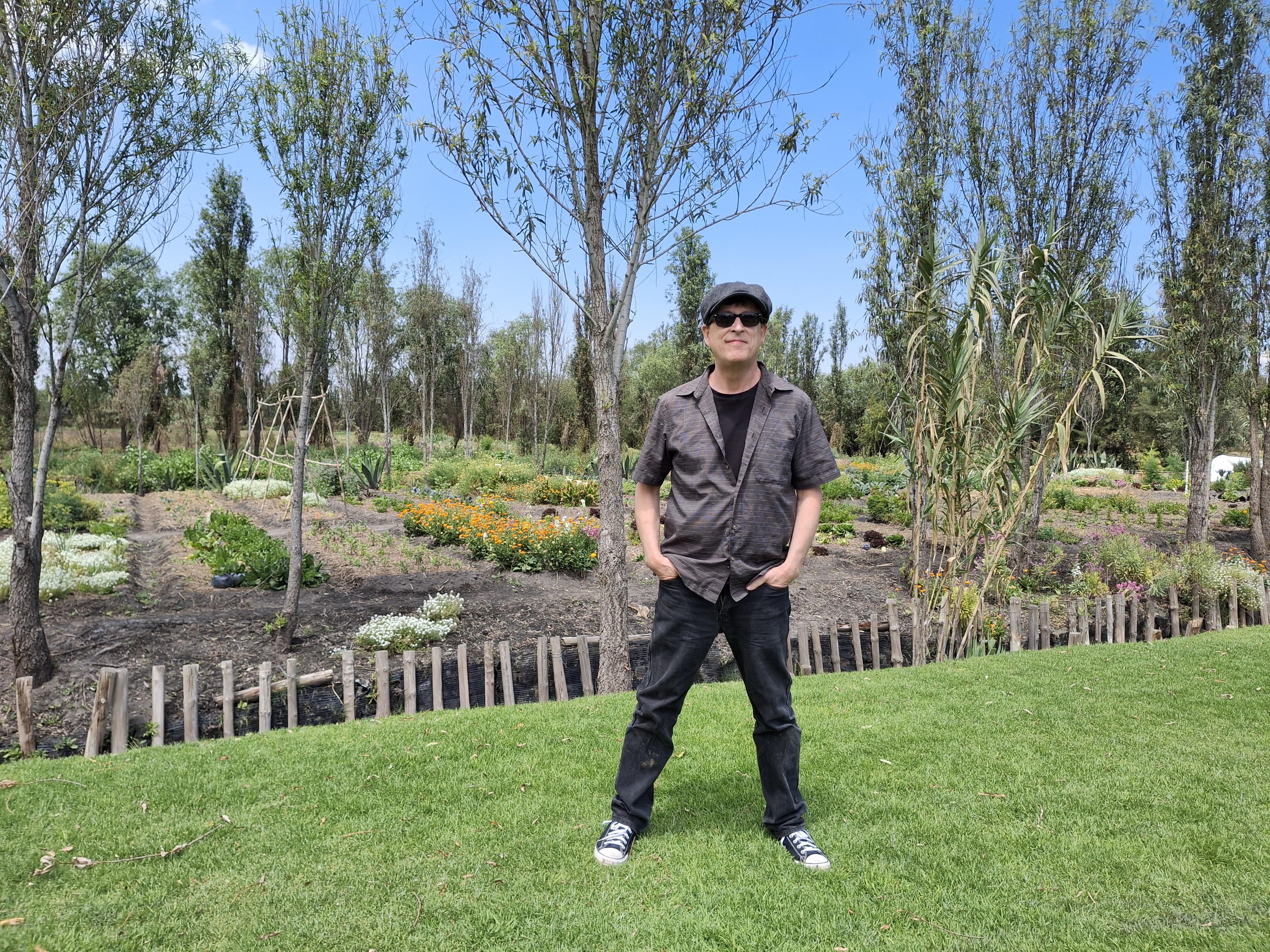
So, this spring I went to Mexico City for a visit; I’d never been, but heard good things, and it didn’t disappoint – great people, food, culture, history, and weather. I stayed in Condesa, where people were walking everywhere, the jacarandas were in full bloom, and the sidewalk cafes were popping. Spent time in Roma, Coyocan, San Angel, and elsewhere.
On my first day I went down to Xochimilco to take a sunrise trajina ride. Xochimilco is about twenty miles south of city center; it’s the last remaining part of a vast Aztec lake and canal system that extended over most of the Valley of Mexico. Families still live there among the floating gardens or chinampas.
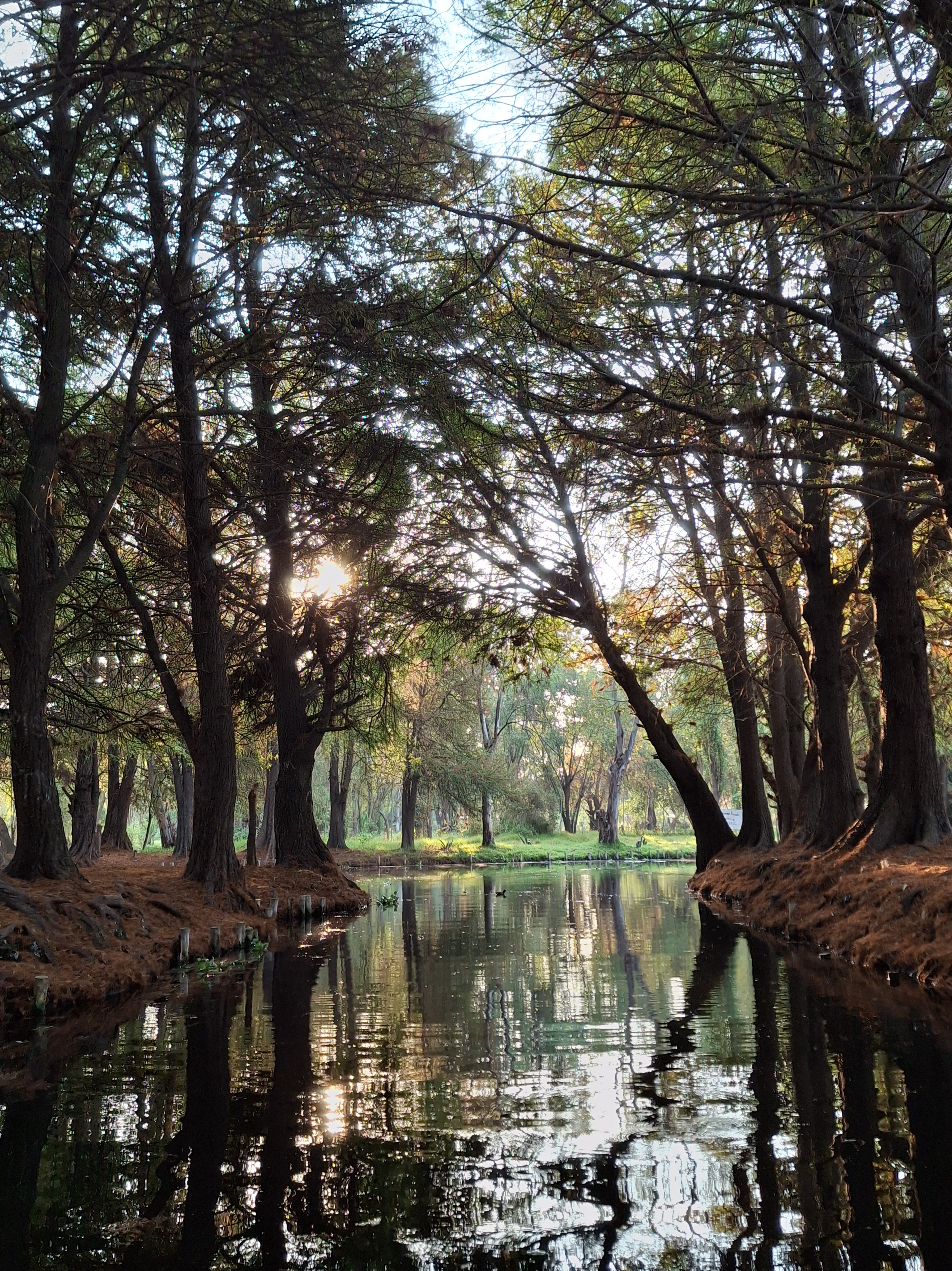
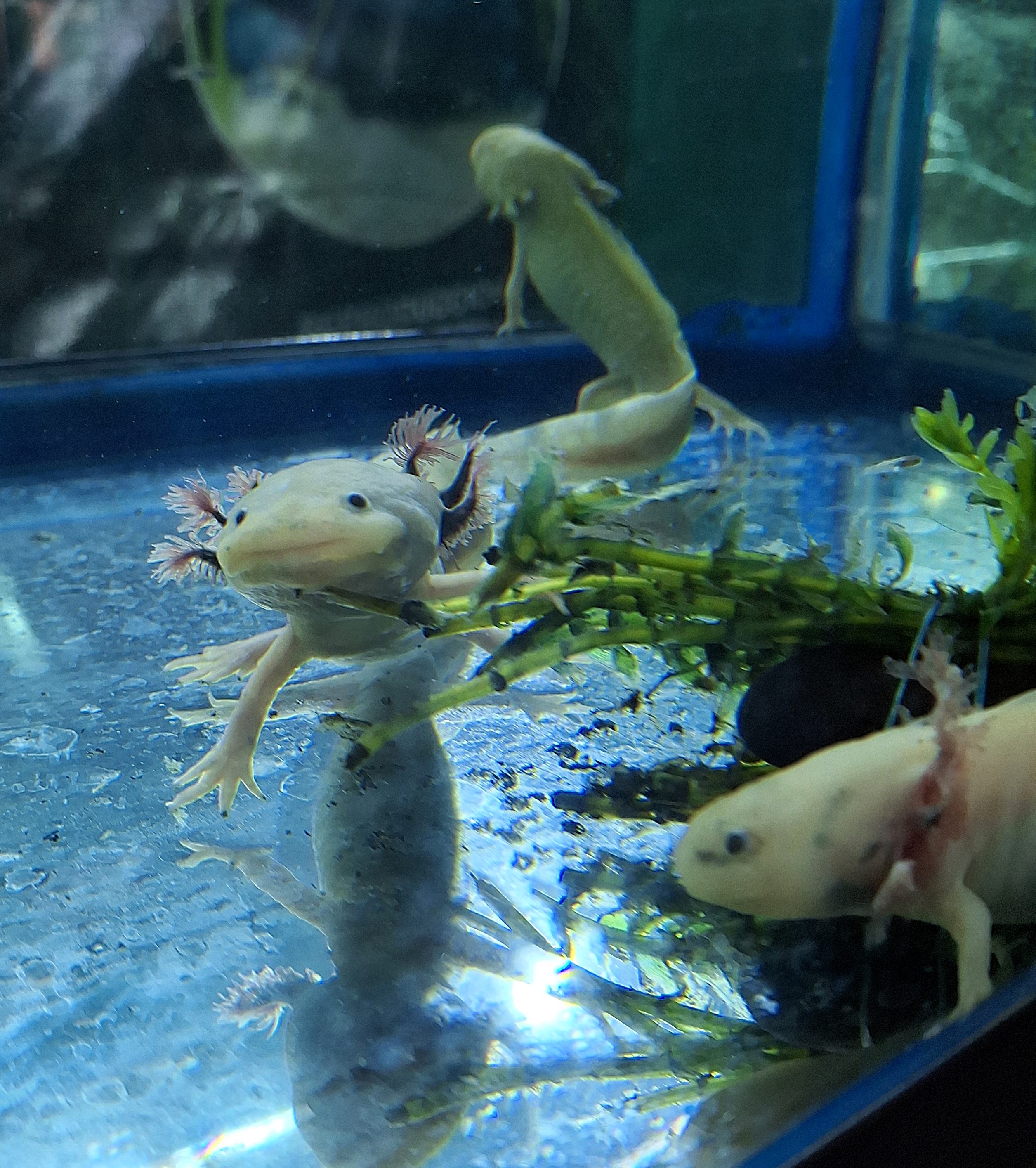
In the evening, the trajinas are party boats (think Lower Broad in Nashville), but if you go at sunrise, as I did, it is quiet and peaceful, heading deep into the canals while eating breakfast and sipping Mexican coffee, listening to the sound of 250 different birds, and at one point, sharing a meditative moment. So close to a city of 21 million and yet it feels like you are far from civilization, in time and place. The trajina stepped off at a working chinampa to see how they integrate vertical farming, placing gardens on floating platforms. We also spent a few moments on the Island of the Dolls and went to see the magical Axolotls
Axolotls used to thrive in these canals and Aztecs held them in high esteem. According to Aztec creation mythology (“The Raising of the Fifth Sun”), the gods decided to sacrifice themselves to set the sun and moon into motion. Fearing death, Xolotl used his shape-shifting abilities to hide. He transformed first into corn, then an agave plant, and finally into the axolotl so he could blend into the lakes of the Valley of Mexico. Eventually discovered, he was sacrificed to give the sun its energy, and he remains eternally represented by the axolotl.
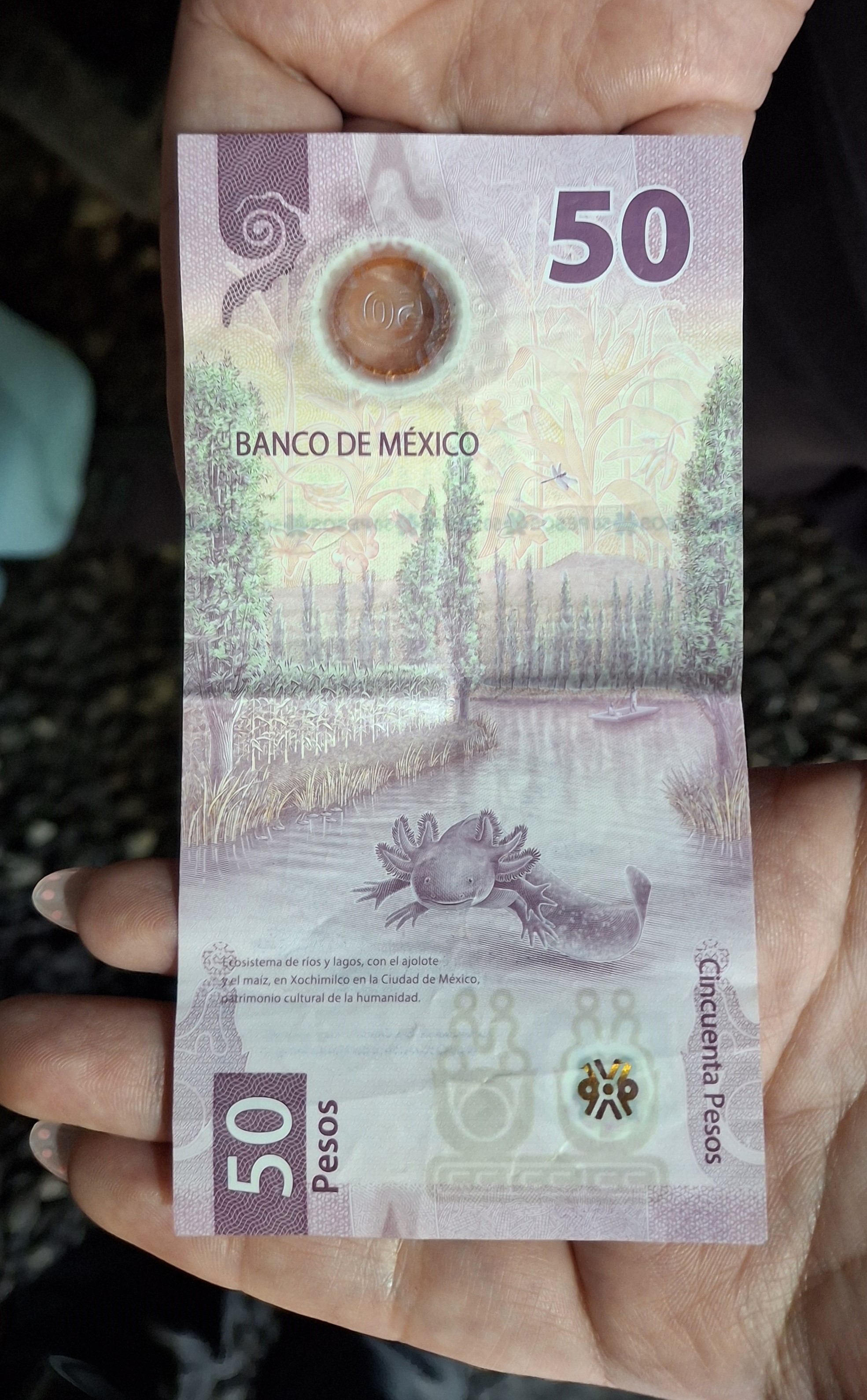
Sadly, axolotls are primarily kept in captivity now as the country works to preserve and increase their numbers, as they are still part of the national identity. At one point, I scored a 50 peso note with axolotl on it. Scientists also study them extensively because axolotls are famous for their unmatched ability to completely regenerate lost or damaged body parts—including limbs, tails, jaws, spinal cords, and even parts of their brains—perfectly and without scarring. Back in the day, I used to teach Julio Cortazar’s excellent “Axolotl.”
The whole trek was magical, so much so that the last day in town I went back to Xochimilco and took a canoe trip even deeper into the canals, even served a meal from produce grown on a chinampa. On that excursion, there were soccer matches going on all through Xochimilco, families boarding boats to go from island to island. I also met an Uber driver originally from Xochimilco, with family still living in the area. He bikes around the islands with his son, and still speaks Nahuatl, the Indigenous language of the Aztecs. It was great to spend time there and great to know that it still exists.