
Here’s a micro essay from Labor Day week, when I was visiting my son in Dallas. Although I played in Dallas back in the day and passed by the book depository a time or two on trips, I’d never visited The Sixth Floor Museum at Dealey Plaza and the infamous Grassy Knoll. I always wanted to, being a bit of a history buff – I think you get a different feel for events when you visit the site, whether ancient or recent, it’s layers of time uncovered and unfolded, variations on a theme, good and bad.
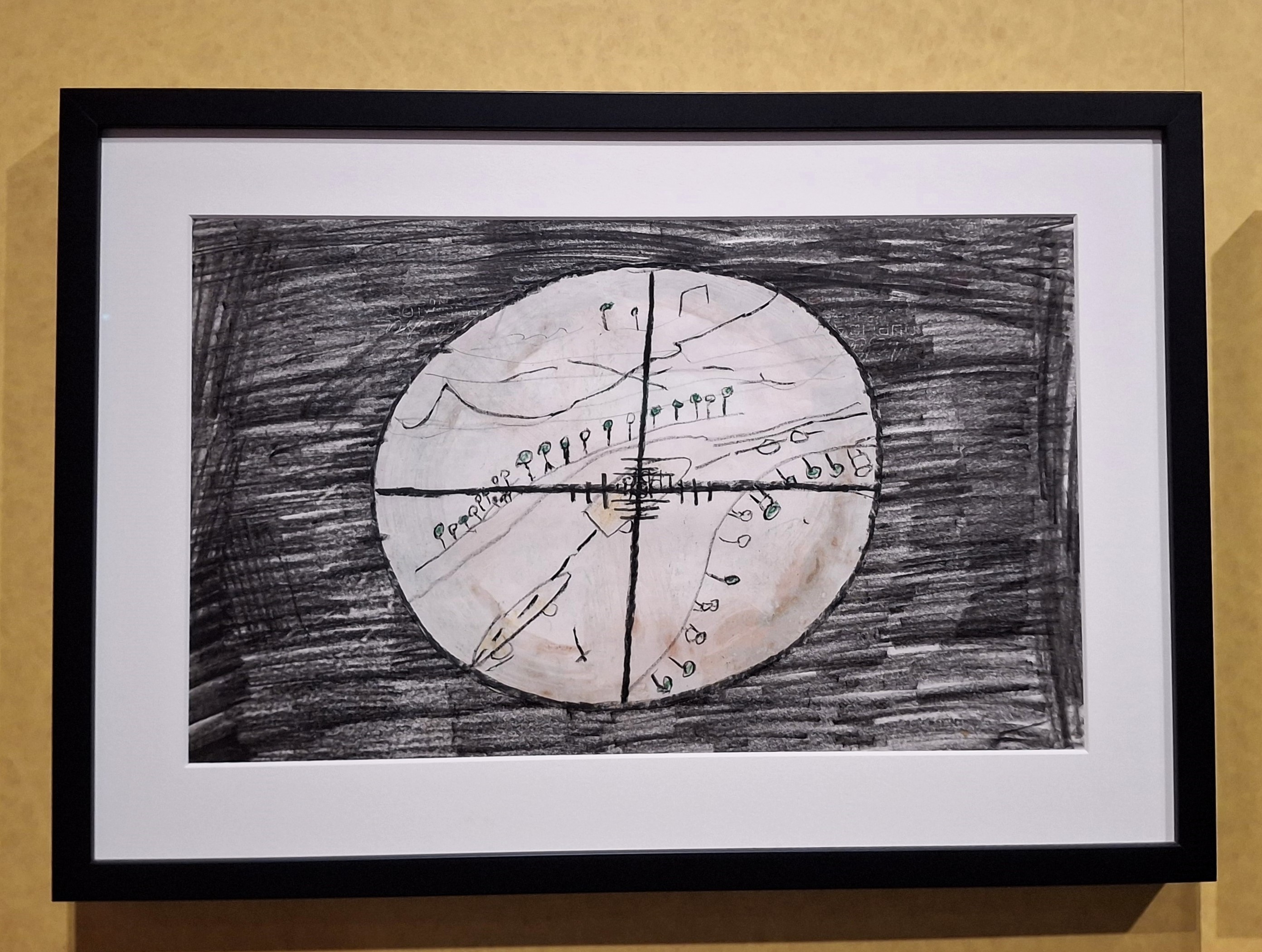
Anyway, the museum is good, starts with the JFK presidency, a reminder of what could’ve been and how the struggle for progressive change is constant. His time was cut short, but he was on a path to pulling out of Viet Nam, moving forward on Civil Rights, and working towards a time of détente. Then, of course, the exhibits on the assassination and the aftermath are interesting and well-done, Zabruder, and Jack Ruby and all the touchpoints of the collective memory. Standing by the sniper’s nest with Oswald’s viewpoint and going down to Dealey Plaza to look across at the Grassy Knoll was thought-provoking and sobering. The spots where the bullets hit are marked on the street. There was a fascinating exhibit in the upper gallery titled “Colorful Memories: November 22 through a Child’s Eyes,” showcasing work first grade students did in Prescott, Arizona in the weeks after, their perspectives on what happened.
I’ve never dug deep into the assassination theories, but like many Americans, I’m aware of key arguments or elements. Afterwards I picked up “Four Days in November” by Vincent Bugliosi, which was excellent; reads as a gripper in addition to being objective and well-documented. At the end of the day, I doubt if we will ever know whether or not Oswald acted completely alone. Many at the time thought his views were so progressive, they rankled those with stakes in the status quo. Certainly, LBJ and RFK (senior) had their suspicions as to whether there was a conspiracy, but thought the truth of that narrative, if proven, would be bad for the country. Say what you will, those were the days when people in the White House thought about what was good for the country.
 Doug Hoekstra