When my son Jude was little, we had a bunch of routines, including a weekly Pizza Party Movie Night. This one carried on until he went to college, really, and over the years it included everything from typical kid movies to classics to new releases to foreign films to the silent comedies of masters like Chaplin, Keaton, and Lloyd (all still favorites for both of us). He even dressed up as Chaplin for Halloween one year. When “Hugo,” came out, we went to that, and later, to the documentary about George Melies, “Trip to the Moon.’ Melies – and the other film pioneers of that era, were incredible – experimental, freewheeling and ahead of their time, they dug in and invented the stylistic and narrative parameters of a new art form. Melies went all in – he made 78 films in 1896 and 52 in 1897; his most well known effort, “A Trip to the Moon” came later in 1902.
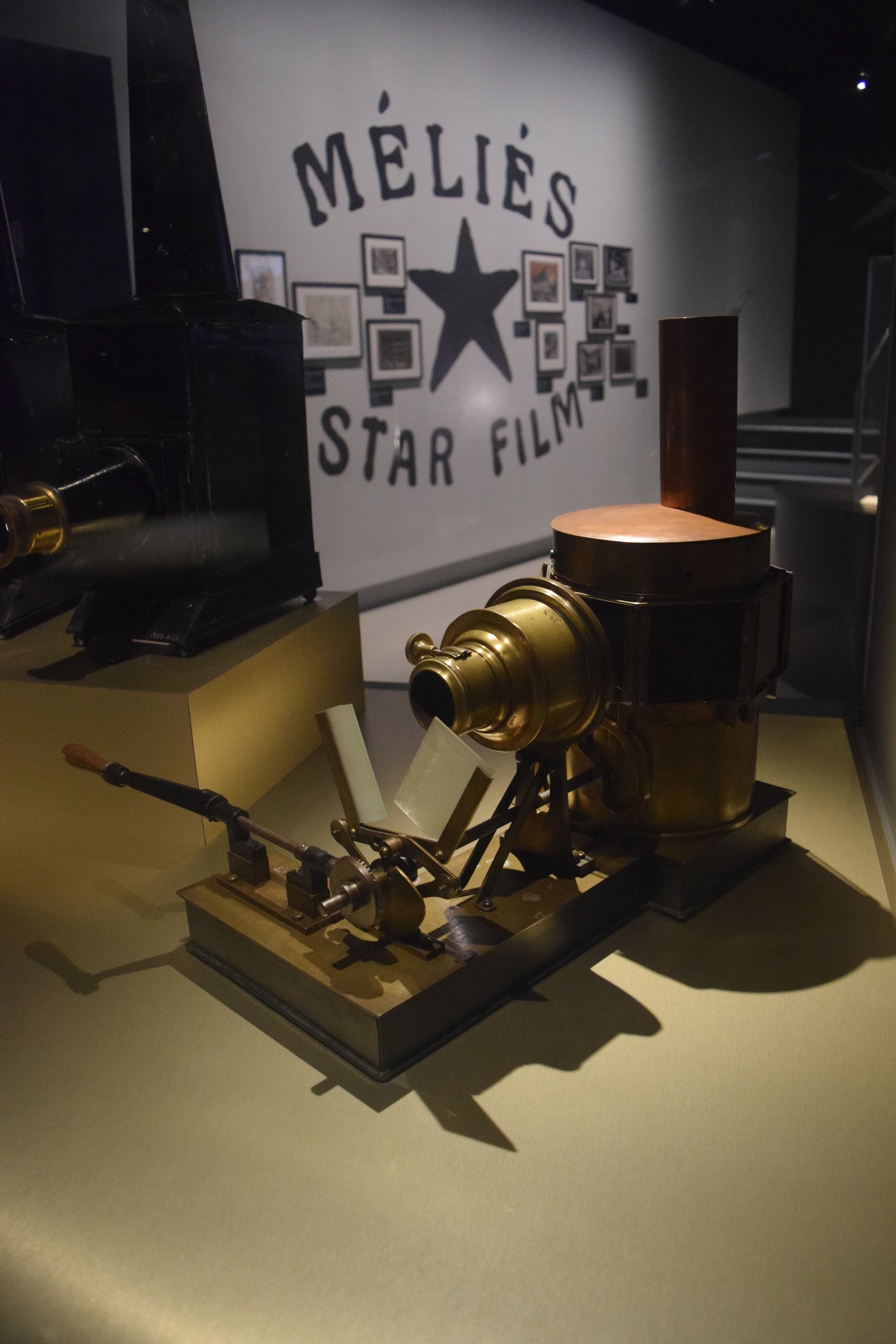
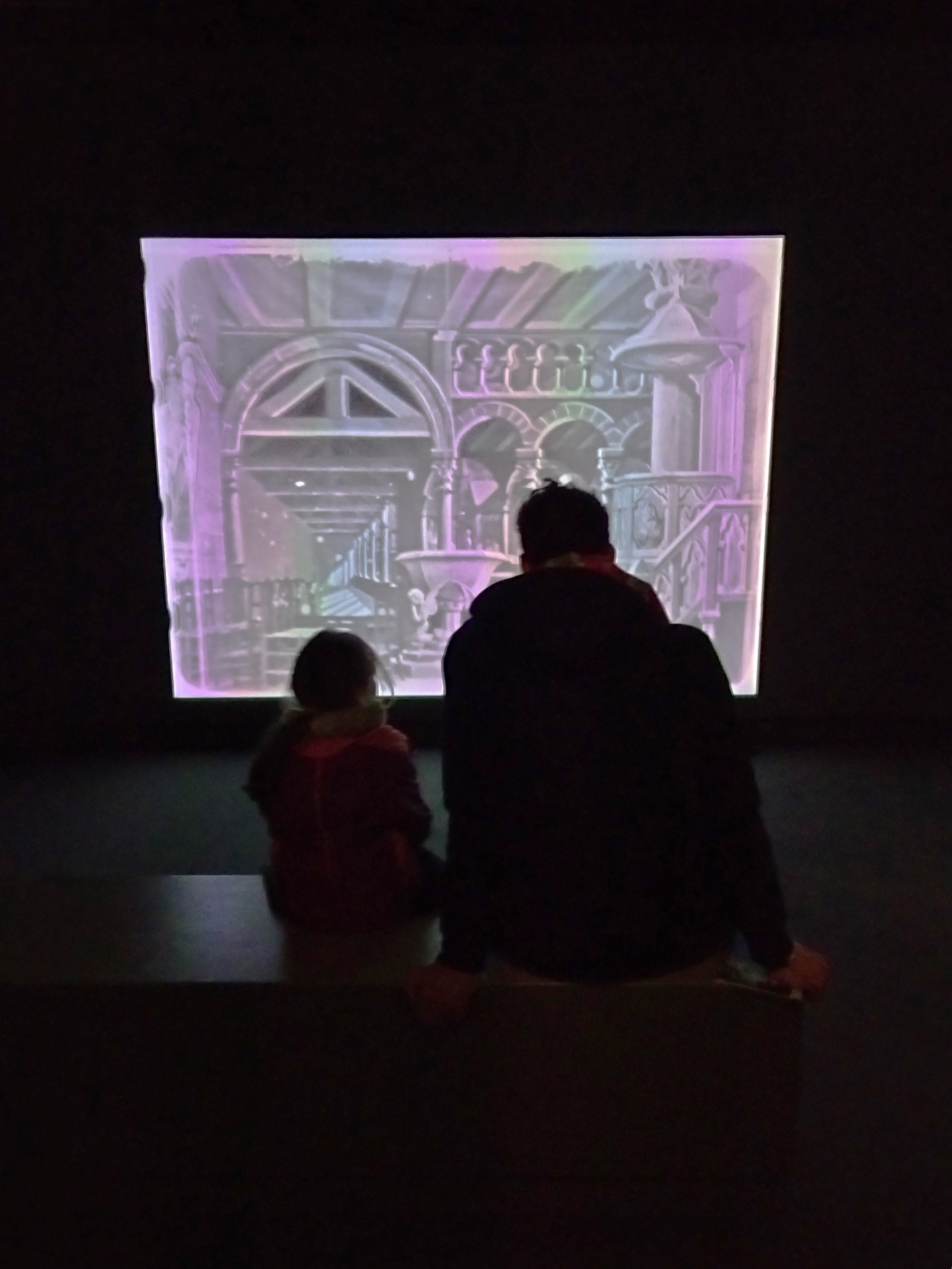
So, as a couple of cinephiles, we were excited to visit the Musee Melies at La Cinémathèque Française in Paris, where we walked past equipment from the Luminere brothers, experimental film work by Marcel Duchamp, and of course, much Melies paraphernalia. But, as we toured through the museum, I noticed this father with his daughter, sitting and watching a Melies short; the child sitting close to her dad, enraptured at the flickering images. It was like me and Jude back in the day, but it also reminded me of how good these pioneers were. Back in Nashville after the trip, I went to a well-attended showing of City Lights, people laughing at the Little Tramp, still working his magic all these years later – like Buster, Lloyd, Melies, and all the trailblazers from those early days. True vision. True artists.
 Doug Hoekstra